When we empathize with children, they learn from us the following:
- Their feelings are valid
- Recognition and acceptance of emotions
- Ability to label feelings with appropriate words
- Knowledge that emotions can be expressed to others
- Self-awareness
- Self-control
- Understanding that feelings influence behavior
- Realization that relationships are based on mutual esteem and communication
Dr. Becky Bailey writes in Easy to Love, Difficult to Discipline, “I cannot stress enough the importance of empathy. Empathy is not weak-kneed permissiveness, nor is it passive acceptance of misbehavior. Your empathy helps your child organize herself, process disappointment and move on. When you empathize with your upset child, you help her restore the cooperative spirit which allows her to do as you have asked.
“Empathy means understanding what another person feels and having insight into his or her thoughts and actions. True empathy demands that you listen to your child’s feelings and thoughts without needing to change them.”
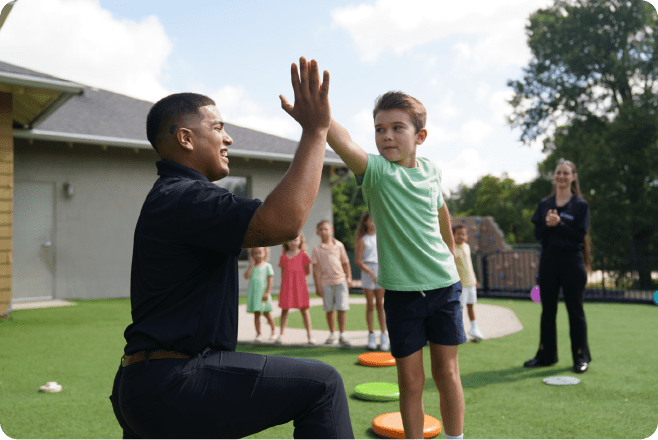
At Stepping Stone School our teachers are empathetic role models. During daily classroom interactions, they assist children in their understanding of one other’s feelings and needs.
Children learn empathy by experiencing empathy.