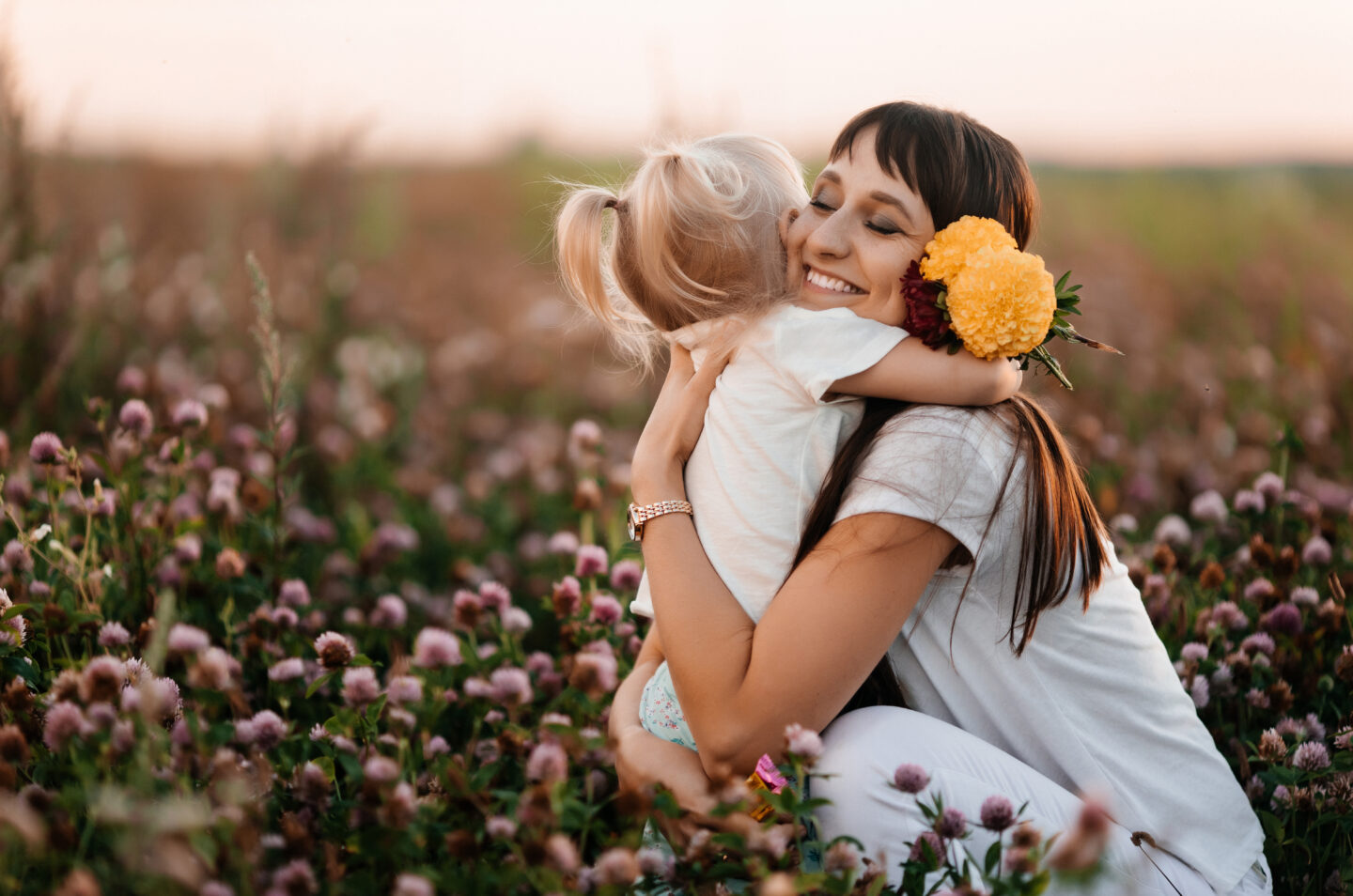
In the spirit of fall, I took my children to a nearby farm for some outdoor fun. Squatting in a small field, I attempted to capture some cute pumpkin patch photos while the children sat on the itchy hay squinting in the sunlight:
“It too bright, Mommy!” my three-year old says.
My older daughter whines, “I’m hot!”
And then the baby falls back, hits her head on a pumpkin and begins to wail.
Outdoor time over…
All too often outdoor time is grouped in the “Maybe later…” category of our lives or we shorten it to fifteen minute chunks of time and call it recess.
Why is that, I wonder?
Maybe it’s the challenge of getting out there… sunscreen, sunglasses, hats, insect repellent, proper footwear, proper outer wear, etc.
Or the fears that have become associated with the outdoors: sunburn leads to skin cancer, mosquito bites lead to zika virus, and boisterous play leads to broken bones.
In a startling statistic by James Campbell in his publication “Are we Raising a Generation of Nature-Phobic Kids?” he states,
“Many children now spend less than 30 minutes per week playing outside. It’s not just kids and their preoccupation with iPads and video games, or busy streets and ‘stranger danger’ that is fueling the disinclination to get outdoors. It’s a widespread phenomenon. Grown-ups fare little better. Statistics from the Environmental Protection Agency suggest that adults, too, spend 93% of their lives inside buildings or vehicles, living under what nature writer Richard Louv calls ‘protective house arrest.'”
(ExchangeEveryDay, Sept. 6, 2016)
Less than 30 minutes PER WEEK! As I attempt to pick my jaw up off the floor, consider the following:
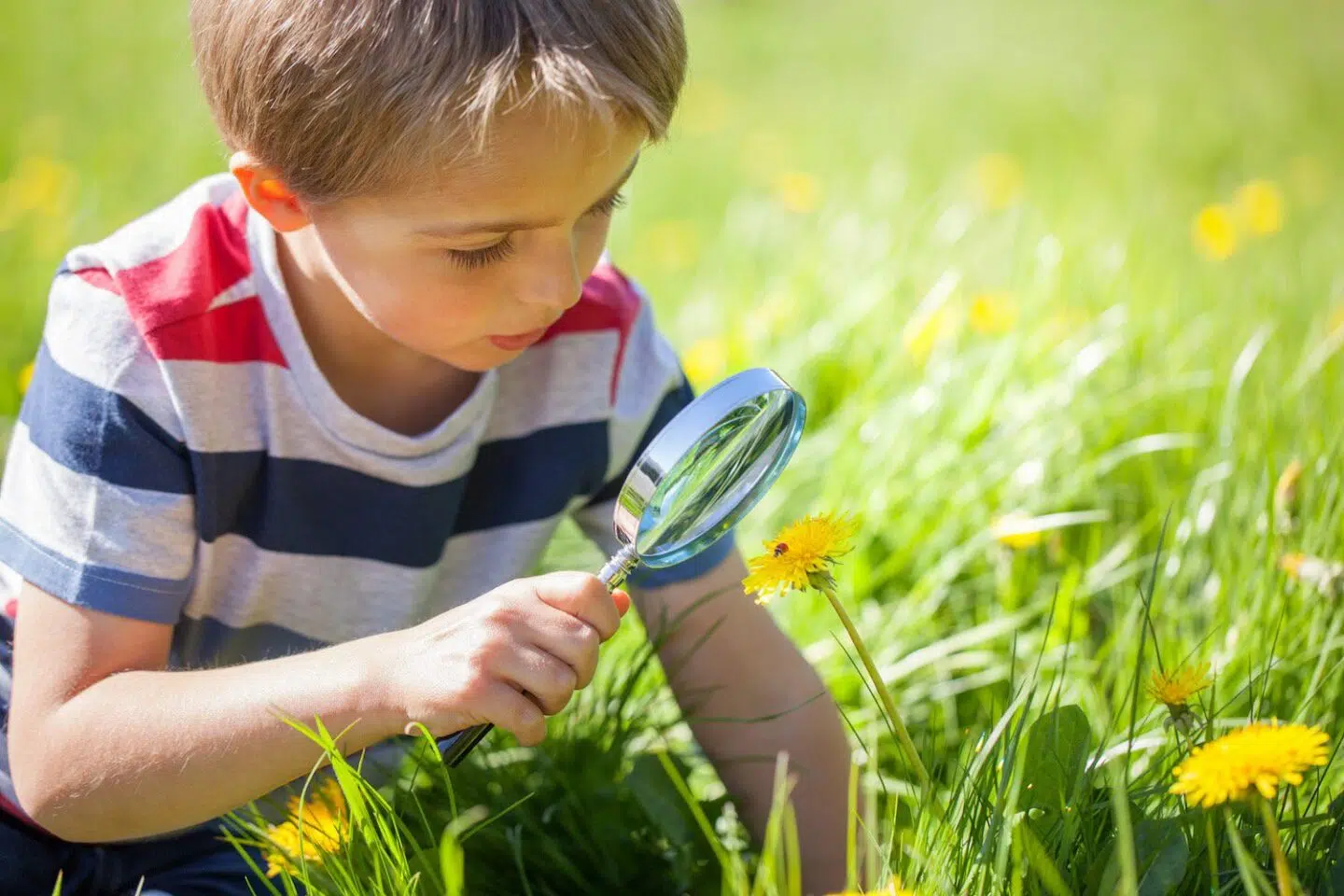
According to research, children who play outdoors regularly are happier, healthier, stronger, and more imaginative than children who do not spend time outdoors. (Head Start Body Start, 2014)
Time spent outdoors is the best way to get vitamin D. Vitamin D is necessary for a properly functioning immune system and plays a role in regulating a person’s mood. (Head Start Body Start, 2014)
As time spent outdoors has dwindled, childhood obesity rates have more than tripled over the past three decades. (Spencer, 2007)
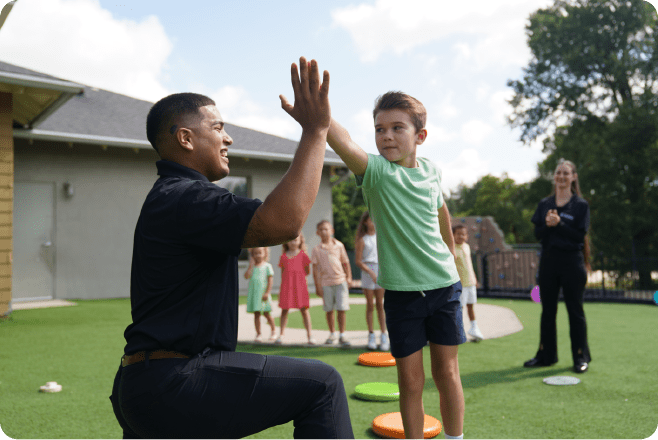
Outdoor play provides ample opportunity for children to practice and develop physically through ball-handling skills, climbing, jumping, and running. (Pica, 2014)
Imaginative play outdoors fosters independence, social skills, and cooperation. (Pica, 2014)
Playing outside provides children with the opportunity to connect with nature and builds a healthy respect for nature. (Spencer, 2007)
So, the next time you are tempted, to again place outdoor time in the “Maybe later…” category consider the benefits which ultimately outweigh the momentary hassles and allow your children to soak up the sunshine and fun.
Resources:
Head Start Body Start. (2014, Nov. 13). “Outdoor Play Benefits.” Retrieved on October 4, 2016 from https://eclkc.ohs.acf.hhs.gov/hslc/tta-system/teaching/eecd/nature-based-learning/Benefits%20of%20Nature%20and%20Outdoor%20Play/outdoor-play-benefits.pdf
Susan Brunk has a Masters Degree in Education. She taught children in both public and private elementary and early childhood settings for more than ten years before she made the transition to educating teachers.
Since beginning her journey with Stepping Stone School over five years ago, Susan has written several portions of our Platinum Learning for Life™ curriculum and has created valuable teacher education modules to improve the standard of education within our company.
Through her years of teaching experience, research, and raising four children of her own, Susan has obtained a valuable understanding of developmentally appropriate practice which is demonstrated through her interactions with teachers and children alike.